Introduction
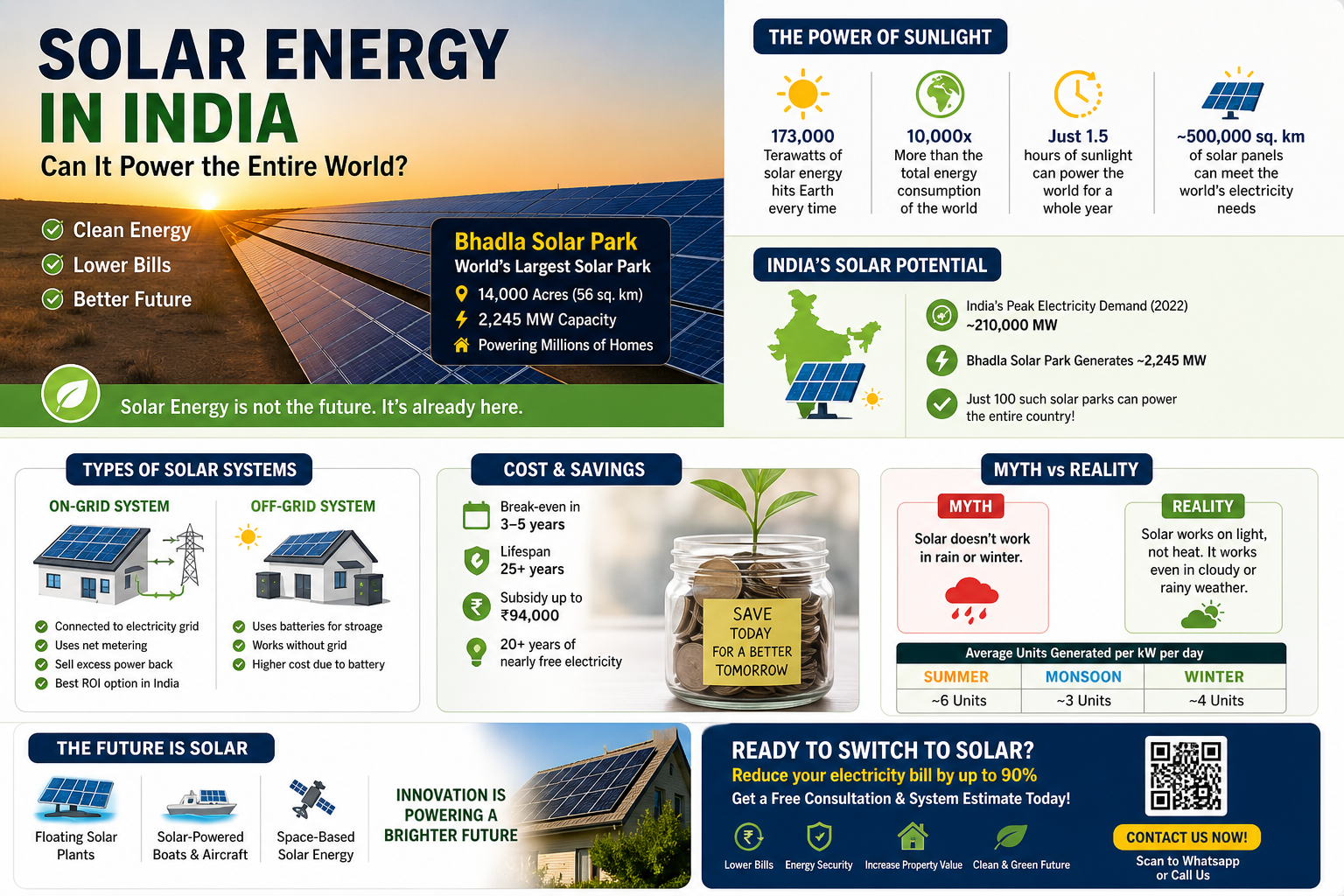
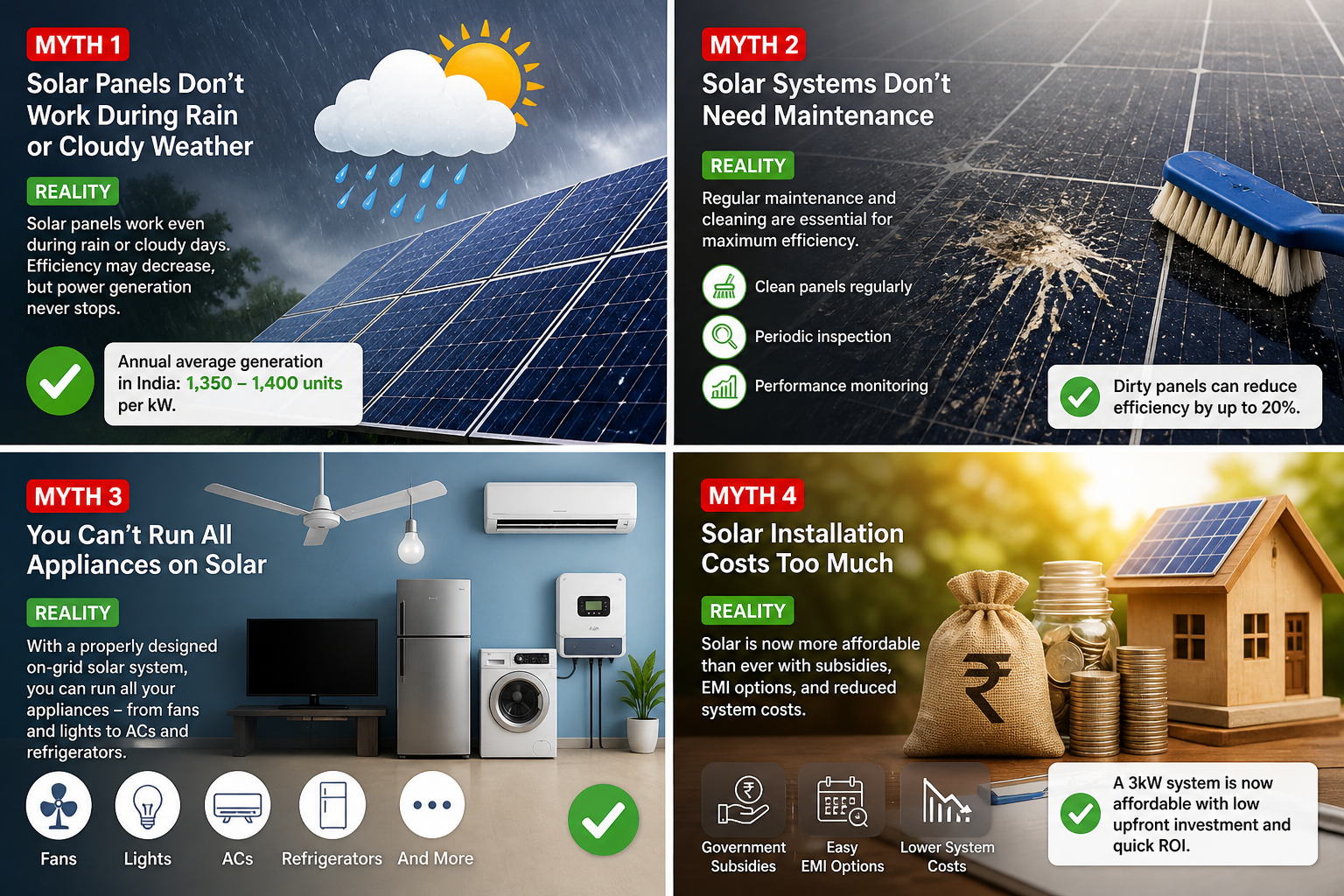
How solar panels work is one of the most searched topics in renewable energy today. Solar power is becoming increasingly popular in India because it helps reduce electricity bills, lowers pollution, and provides clean renewable energy for homes, businesses, and industries.
From rooftop installations to large solar parks, solar energy is changing the future of electricity generation. In this guide, you will learn how solar panels generate electricity, how solar cells work, the different types of solar panels, and why solar energy is important for India’s future.
You can also explore government renewable energy initiatives through MNRE India and the International Solar Alliance.
What Is a Solar Cell?
Alt text: How solar panels work inside solar cells
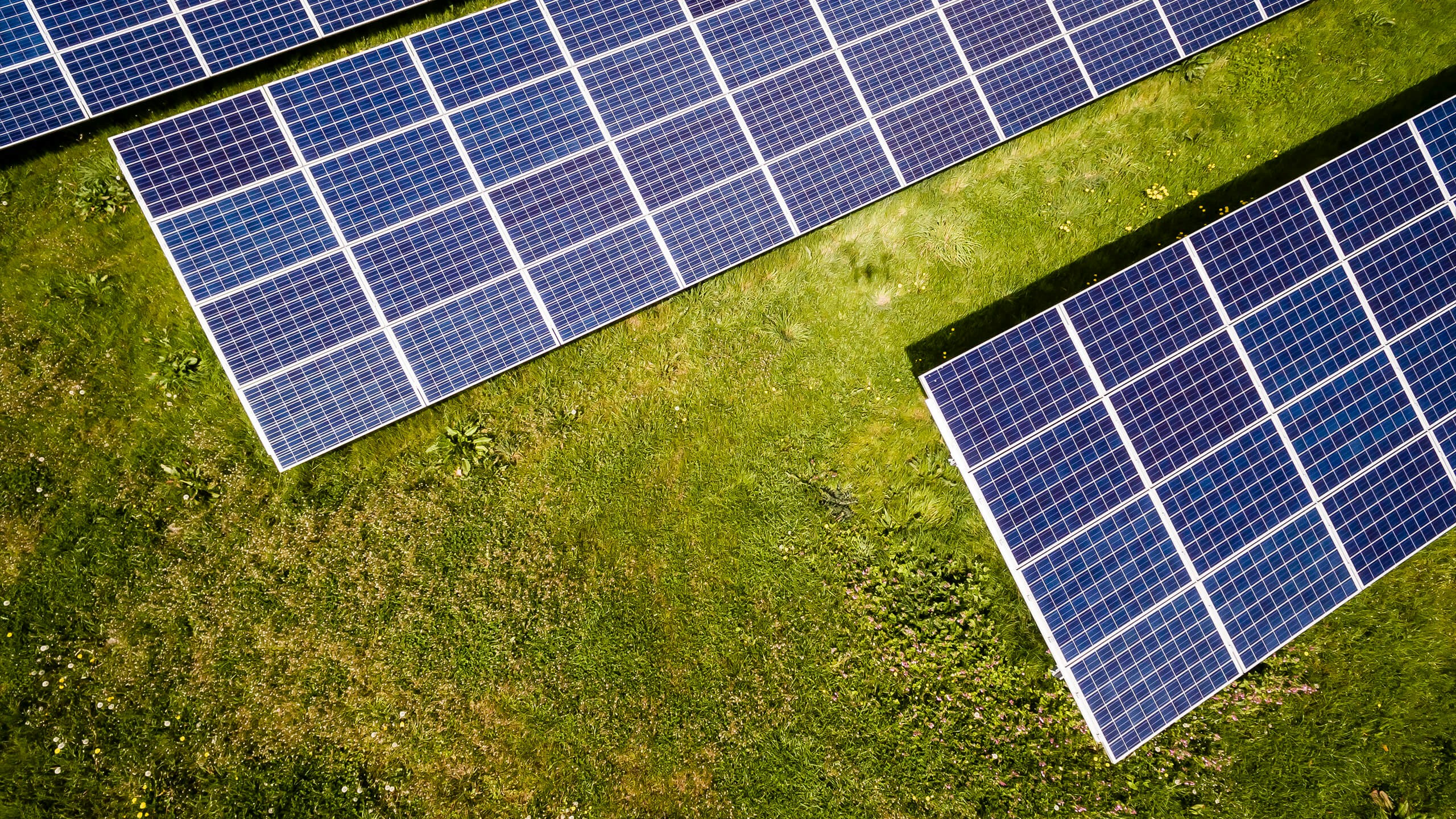
A solar cell is a small electronic device that converts sunlight into electricity. Solar cells are made using a semiconductor material called silicon. Silicon absorbs sunlight and helps generate electric current.
When sunlight hits the solar cell:
- Electrons start moving
- Electrical current is generated
- Electricity flows through connected wires
This process creates Direct Current (DC) electricity.
Why Silicon Is Used in Solar Panels
Alt text: Silicon used in solar panel manufacturing
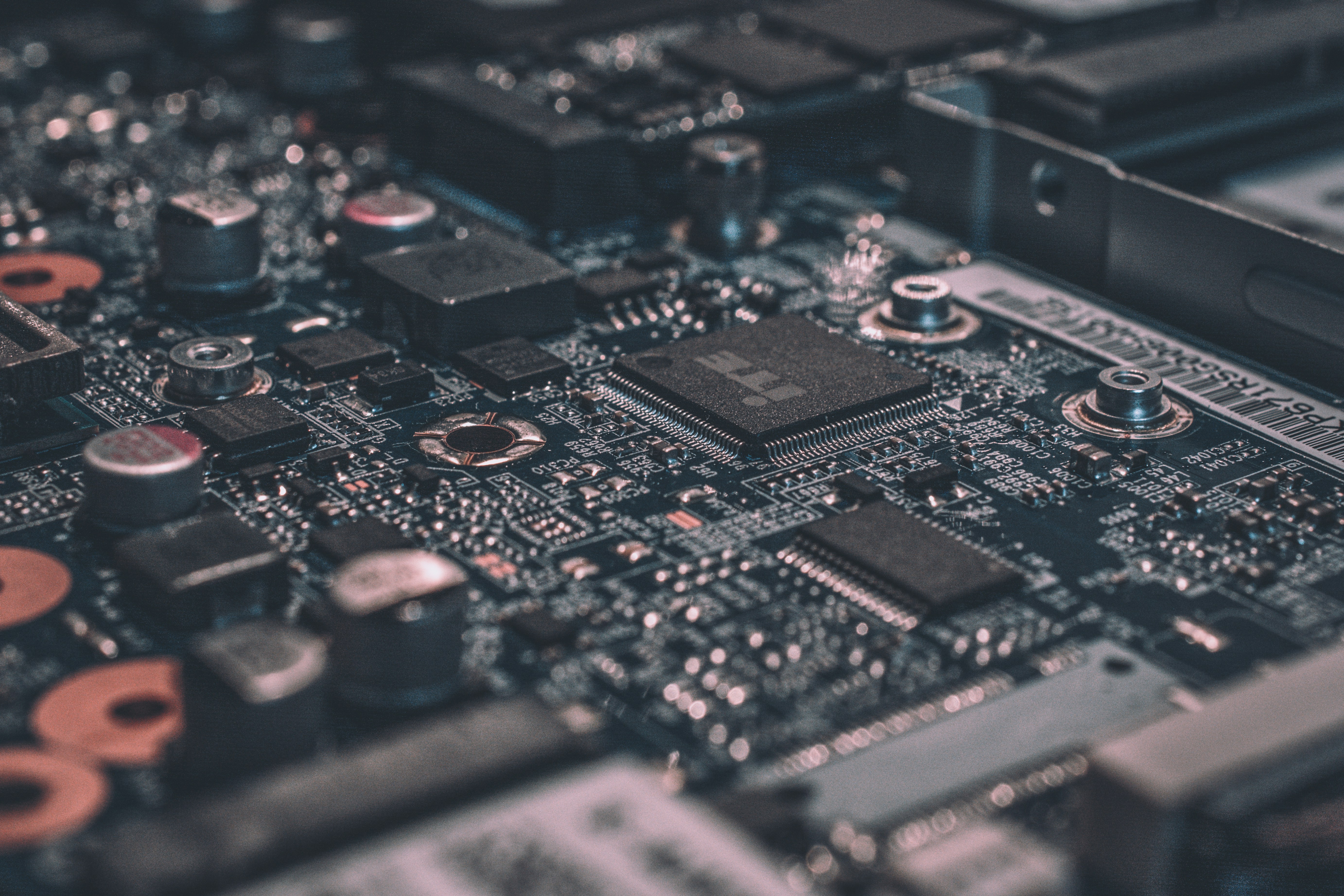
Silicon is widely used in solar panels because it is a semiconductor. A semiconductor can conduct electricity under certain conditions and block it under others.
To improve electricity generation, scientists perform a process called doping. Doping changes the electrical behavior of silicon and allows solar cells to generate current efficiently.
How Solar Panels Work Step by Step
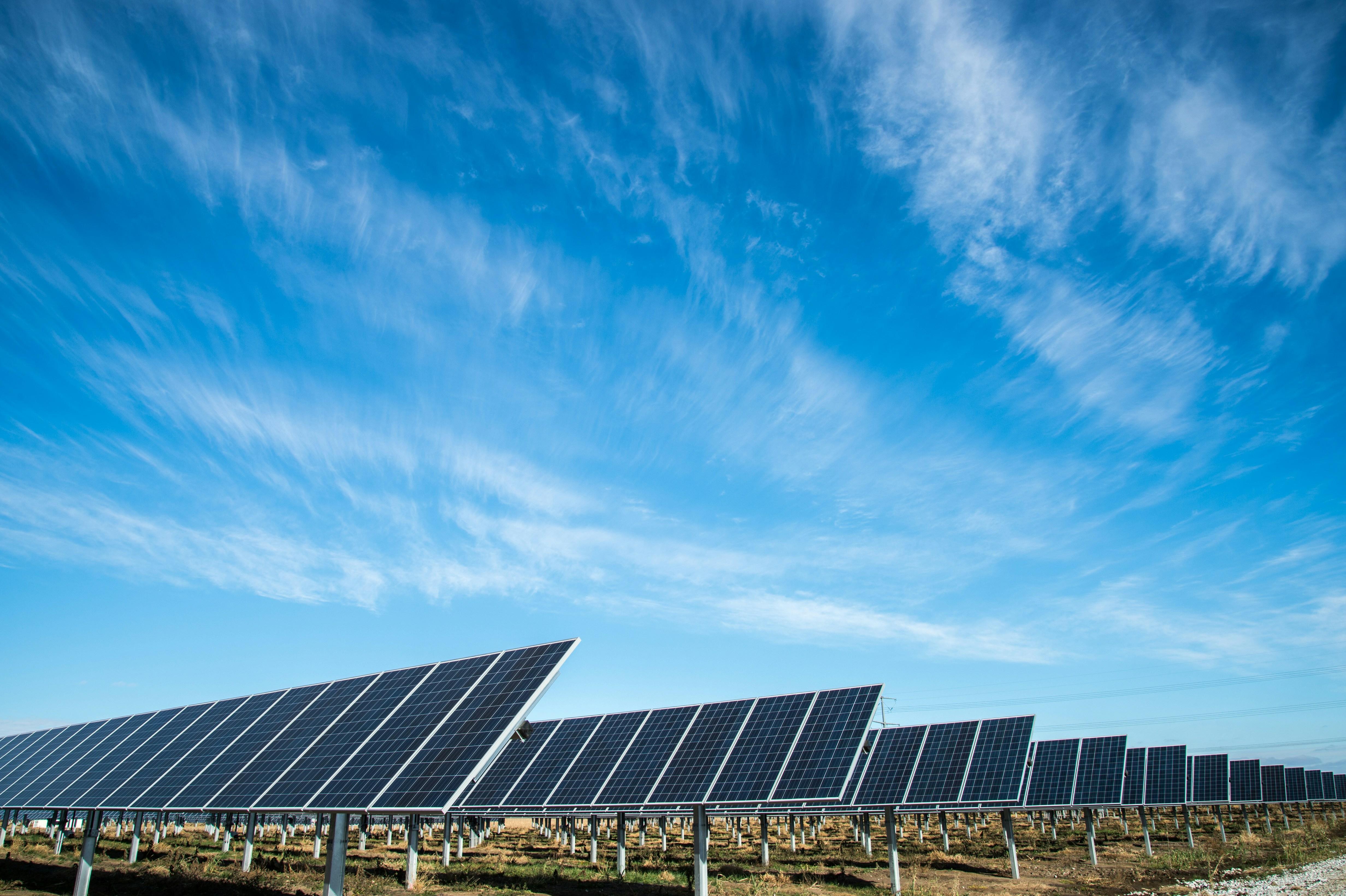
Alt text: How solar panels work step by step
Understanding how solar panels work is simple when broken into steps.
Step 1: Sunlight Hits the Solar Panel
Solar panels absorb sunlight through photovoltaic cells.
Step 2: Electrons Start Moving
The sunlight excites electrons inside the silicon cells.
Step 3: Electric Current Is Generated
The movement of electrons creates Direct Current (DC).
Step 4: Inverter Converts DC to AC
Homes use Alternating Current (AC), so an inverter converts DC electricity into usable AC power.
Step 5: Electricity Powers Your Home
The electricity runs appliances, fans, lights, and other devices.
What Is a P-N Junction?

Alt text: P-N junction in solar panel working
A P-N junction is the most important part of a solar cell.
There are two layers inside a solar cell:
- P-Type Layer → Has fewer electrons
- N-Type Layer → Has extra electrons
When sunlight falls on the solar panel:
- Electrons become excited
- They start moving across the junction
- Electrical current is produced
This movement of electrons is the foundation of solar energy generation.
Main Components of a Solar Panel

Alt text: Layers inside a solar panel
Modern solar panels contain several important layers.
Glass Layer
- Protects panels from dust and moisture
- Reduces sunlight reflection
Encapsulant Layer
- Protects cells from water damage
- Improves energy absorption
Solar Cells
- Generate electricity from sunlight
Aluminum Frame
- Provides structural strength
Junction Box
- Transfers generated electricity
Solar Cell vs Solar Module vs Solar Panel

Alt text: Solar module and solar panel system
Many people confuse these three terms.
Solar Cell
A single electricity-generating unit.
Solar Module
A collection of multiple solar cells.
Solar Panel
A group of solar modules connected together.
Large collections of solar panels are called solar parks.
Types of Solar Panels in India

Alt text: Monocrystalline and polycrystalline solar panels
There are two major types of solar panels used in India.
Monocrystalline Solar Panels
- Black in color
- Higher efficiency
- Works better in low sunlight
- Longer lifespan
- More expensive
Best for:
- Cloudy regions
- Cold areas like Himachal Pradesh and Uttarakhand
Polycrystalline Solar Panels
- Blue in color
- Lower cost
- Good for strong sunlight
- Slightly lower efficiency
Best for:
- Hot regions like Rajasthan and Gujarat
Advantages of Solar Energy

Alt text: Benefits of solar energy
Solar energy offers many benefits.
Lower Electricity Bills
Solar panels reduce monthly electricity expenses.
Eco-Friendly Energy
Solar power reduces pollution and carbon emissions.
Renewable Energy Source
Sunlight is unlimited and naturally available.
Low Maintenance
Solar systems require very little maintenance.
Energy Independence
Countries can reduce dependence on imported fuel.
You can learn more about India’s solar rooftop initiatives on the National Solar Rooftop Portal.
Challenges of Solar Power

Alt text: Solar panel cleaning and maintenance
Despite its benefits, solar power has some limitations.
High Initial Investment
Installing solar systems can be expensive initially.
Weather Dependency
Clouds and rain reduce efficiency.
Battery Costs
Energy storage batteries add additional cost.
Large Space Requirement
Large solar plants require significant land area.
India’s Solar Energy Future
Alt text: Solar energy future in India
India is rapidly becoming a global leader in renewable energy.
The government has launched several initiatives including:
- International Solar Alliance
- One Sun One Grid
- Large solar park projects
India aims to increase clean energy production while reducing pollution and fossil fuel dependence.
Major airports, railway stations, and industries are also adopting solar power systems to reduce electricity costs.
Kochi Airport Solar Success Story
Cochin International Airport became India’s first fully solar-powered airport.
The airport installed thousands of solar panels and significantly reduced electricity costs. This project inspired many other infrastructure projects across India to adopt renewable energy solutions.
Conclusion

Alt text: How solar panels work for clean energy future
Understanding how solar panels work helps us see why solar energy is becoming the future of electricity generation.
Solar panels convert sunlight into clean electricity using semiconductor technology and photovoltaic cells. As solar technology improves and installation costs decrease, solar energy will continue to grow across India and the world.
Whether for homes, businesses, industries, or government projects, solar power is one of the best solutions for a cleaner and more sustainable future.